

How to Build an AI Development Team in Vietnam in 2026
Building AI Capability: Part 2
In Part 1 of this series, we examined what it takes to hire AI...
What began with one senior developer in Vietnam in 2010 developed into a 15-year collaboration. With FWH’s support, Elfo strengthened its development capability with experienced colleagues who took ownership, contributed ideas and worked closely with its wider team.
Elfo develops software and services for retailers and retail chains, including web portals, point-of-sale systems and omnichannel sales solutions. Its work brings together retail operations, logistics and ERP systems, with functionality tailored to customers’ needs.
Finding enough experienced developers locally was difficult. An earlier attempt at traditional outsourcing had not worked out, so Elfo needed an approach that offered closer collaboration and greater continuity.
Elfo began working with FWH in 2010. The first specialist we recruited held a master’s degree in software engineering, had extensive development experience and had lectured at a technology university in Ho Chi Minh City.
We tailored the arrangement to Elfo’s resources and budget, then supported the gradual expansion of its team. This included planning onboarding, integration and working practices, alongside handling contracts and local day-to-day support.
A second senior developer joined in 2011. In 2014, FWH recruited a Scrum Master with an MBA to support Elfo’s Agile approach. His responsibilities later expanded to include delivery management.
The result was a small team combining senior .NET and ERP development expertise with coordination and delivery capability.
Tommy Mikalsen, Elfo’s Development and Research Manager, was initially very sceptical about working with developers overseas. With a background in development himself, he understood the concerns that colleagues might have about communication, quality and accountability.
However, recruiting experienced people in Norway was challenging. The cost of building the entire team locally would also have limited the development capacity Elfo could maintain.
For Mikalsen, working with the same people over time was essential. FWH’s model gave Elfo permanent colleagues who could build knowledge of its products, follow their work through and remain accountable for the solutions they developed.
In 2020 Elfo’s development organisation spanned Norway, Málaga and Ho Chi Minh City. Mikalsen represented the Norwegian development function, working alongside two developers in Spain and two developers and a Delivery Manager in Vietnam.
The three locations met daily by video, using English as their shared working language.
Communication occasionally required clarification, but Mikalsen described it as generally straightforward. He particularly highlighted the English skills of Tri, the Delivery Manager in Vietnam.
There has also been room for humour. The team had shared plenty of laughs over translations, including an occasion when the product name “PowerOffice Go” was translated literally into Norwegian (“Kraftkontor Gå”). Fortunately, the mistake was spotted before launch.
Regular contact helped make geographically distributed colleagues part of the same everyday working environment.
Elfo’s colleagues in Vietnam contributed across development, investigation, bug fixing, architecture and new solutions.
Requirements did not always arrive as lengthy specifications. Sometimes, a few sentences described the functionality needed, leaving developers room to determine how best to deliver it.
That approach depended on experienced people who understood the software and took responsibility for their work. If a developer introduced a bug, they were responsible for resolving it.
Mikalsen also recognised ideas coming from the international team that had not originated with management in Norway. The collaboration brought additional perspectives as well as development capacity.
Because Elfo used Agile working methods, FWH recommended adding a Scrum Master. This brought additional structure to collaboration and helped the team become more engaged, creative and self-sufficient.
It also reflected an important part of FWH’s role; understanding how the client worked and identifying the expertise needed to support that approach.
Alongside recruitment, FWH provided the local arrangements that allowed Elfo’s management to concentrate on products, customers and development. Contracts, office facilities and everyday support were handled on the ground.
Mikalsen’s visits to Vietnam gave him an opportunity to meet his colleagues face to face and understand the local working environment.
The visit also changed some of his impressions. Colleagues who had seemed more reserved on video were more confident in person, helping strengthen their working relationships.
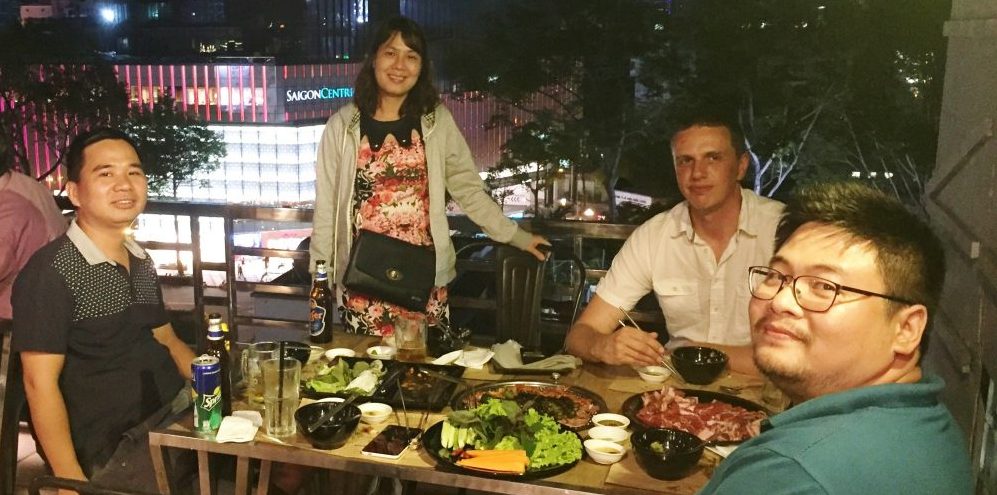
Mikalsen and the team in Ho Chi Minh City.
He described the team as largely independent, while valuing the reassurance of having Norwegian management available locally if an administrative issue arose.
For Elfo, this combined direct technical collaboration with practical support in Vietnam.
In 2023, the team in Vietnam travelled to Norway to visit their Norwegian colleagues. Time together strengthened both professional relationships and personal connections, reinforcing their sense of belonging to one Elfo team.
For Elfo’s Managing Director, Pål Magndal, it was important that colleagues in both countries felt equally part of the company. The visit put that commitment into practice, bringing the team closer together beyond their everyday video calls.
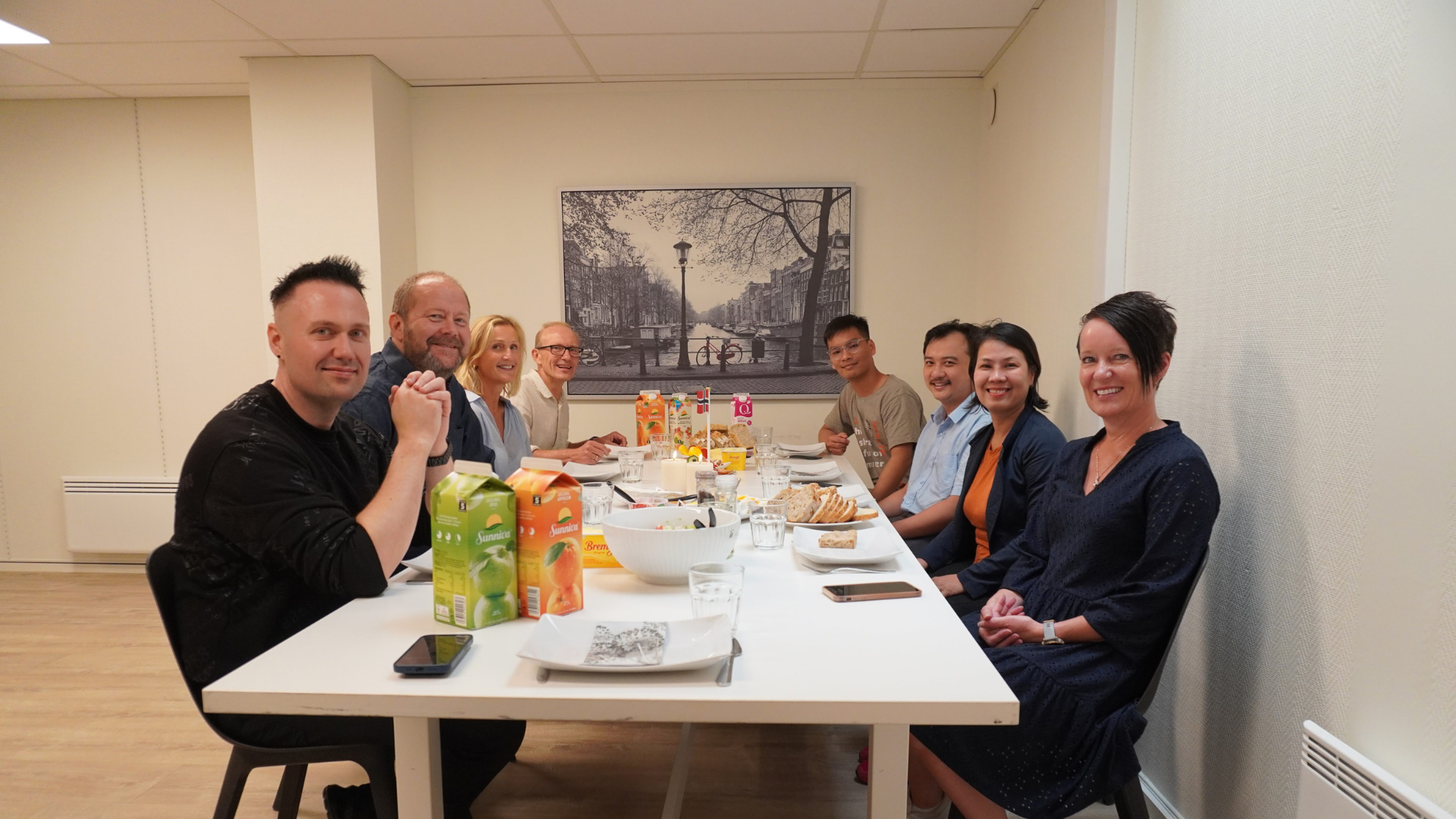
Elfo, Norway trip 2023.
The collaboration continued from 2010 until late 2025, when it reached a natural conclusion after approximately 15 years.
Elfo’s experience shows the value of building a team around lasting relationships. Starting with one experienced specialist, the company developed a working model in which colleagues across countries could contribute ideas, take ownership and solve problems together.
FWH supported that relationship through tailored recruitment, integration, local administration and an established working environment. This helped Elfo build senior development capability within its budget and keep its focus on delivering useful software for its customers.
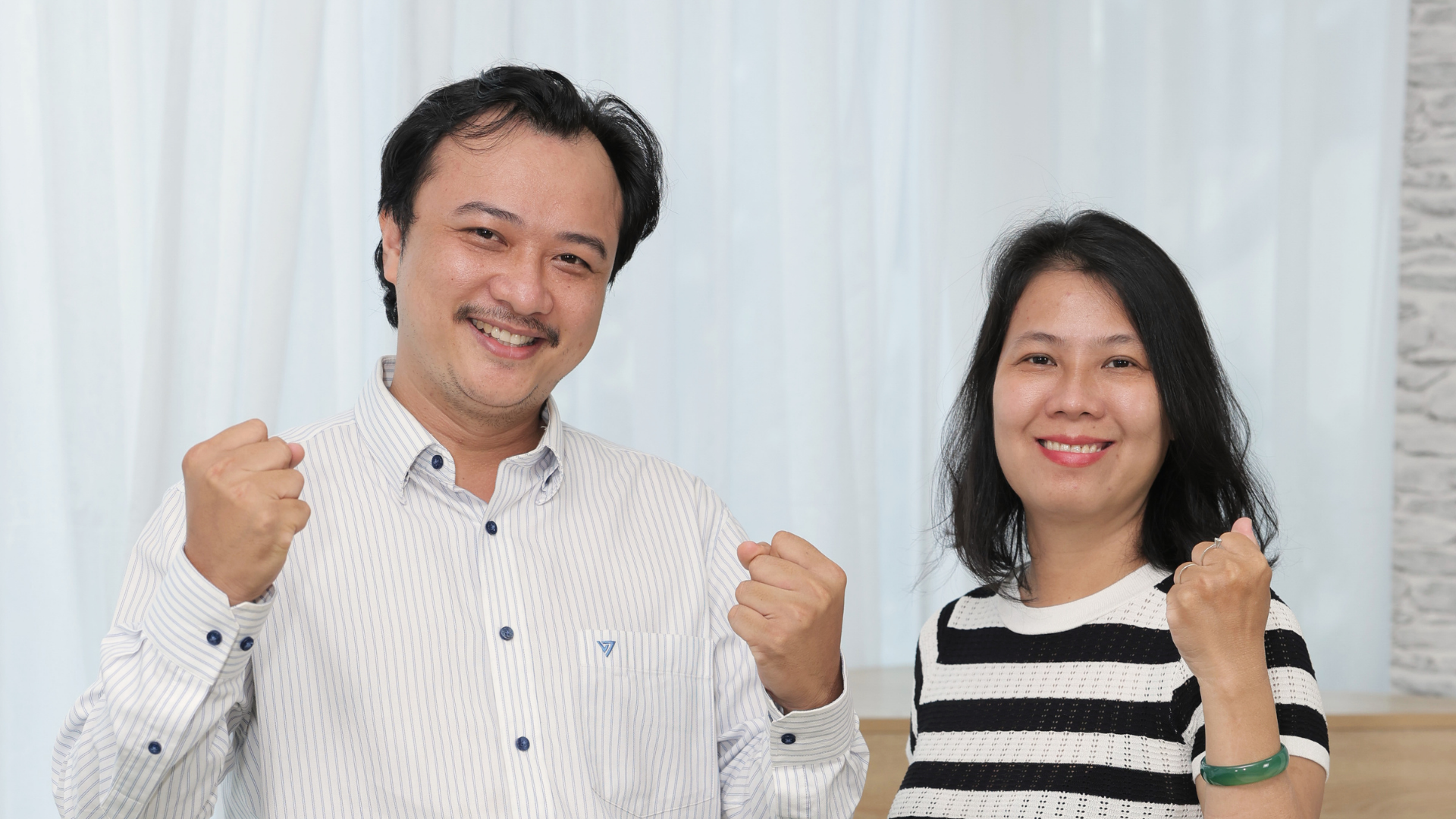
Parts of the Elfo team in Vietnam, October 2025.


AKVA Group supplies technology and services to the global aquaculture industry, covering both sea-based and land-based farming. Software is an important part of this work. The team in Vietnam contributes to the company's wider development capability.
DNV Imatis develops digital solutions that help healthcare professionals coordinate information, communication and patient workflows. As international demand grew, the company needed more qualified developers to support its ambitions. Finding the right people locally was proving difficult.

Noria deliver insurance software and consultancy for the fintech industry. FWH helped Noria establish its wholly owned subsidiary, Noria Vietnam Ltd. This gave Noria its own local organisation, supported by FWH’s established presence and business support services.
Building AI Capability: Part 2
In Part 1 of this series, we examined what it takes to hire AI...